





 English
What is Regenerative Thermal Oxidizer(RTO)?
 2026-08-27
 0">0
0">0
Share:
A Regenerative Thermal Oxidizer (RTO) is a highly efficient piece of industrial equipment designed to treat organic waste gases (VOCs). It decomposes harmful substances in the waste gas into harmless carbon dioxide and water through high-temperature combustion and utilizes specialized ceramic heat-storage media to recover over 95% of the heat, offering high purification efficiency alongside energy savings and environmental benefits.
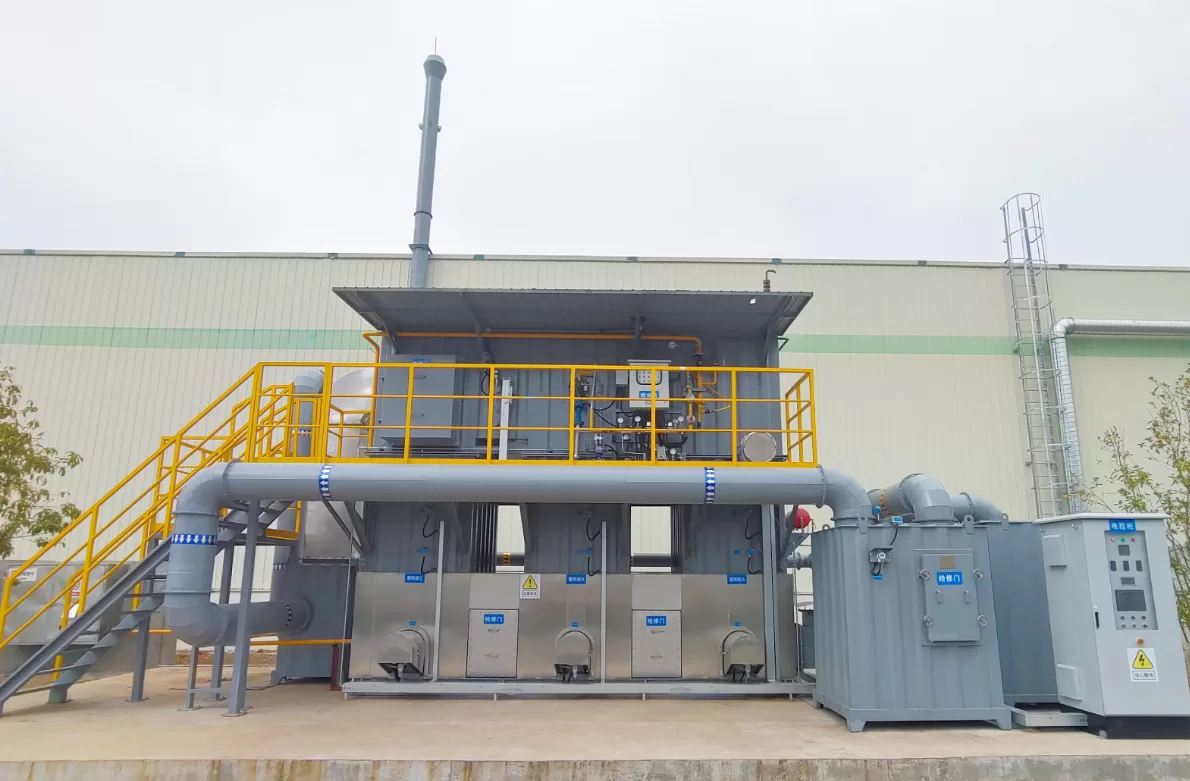
Core Operating Principles:
①Preheating—Waste gas containing organic compounds enters a heat-storage chamber, absorbs heat stored in the ceramic media, and undergoes a rapid temperature rise.
②Oxidation and Decomposition—The preheated gas enters the combustion chamber, where it is oxidized and decomposed at high temperatures (typically 760°C–850°C) into CO₂ and H₂O.
③Heat Storage and Exhaust—The purified, high-temperature gas flows through another heat-storage chamber, transferring its heat to the ceramic media for storage before being exhausted at a lower temperature.
④Cyclic Switching—The system periodically switches the airflow direction using valves, enabling continuous heat recovery and significantly reducing energy consumption.
Key Advantages and Applications:
①Extremely High Purification Rate—VOC removal efficiency typically exceeds 99%.
②Exceptional Thermal Efficiency—Heat recovery rates range from 95% to 99%, resulting in low operating costs.
③Broad Applicability—Suitable for treating organic waste gases of high, medium, and low concentrations emitted by industries such as petrochemicals, coating, printing, pharmaceuticals, and packaging.
Common System Types:
Two-Chamber RTO—Features a simple structure and lower cost, though a small amount of untreated gas may be released during valve switching.
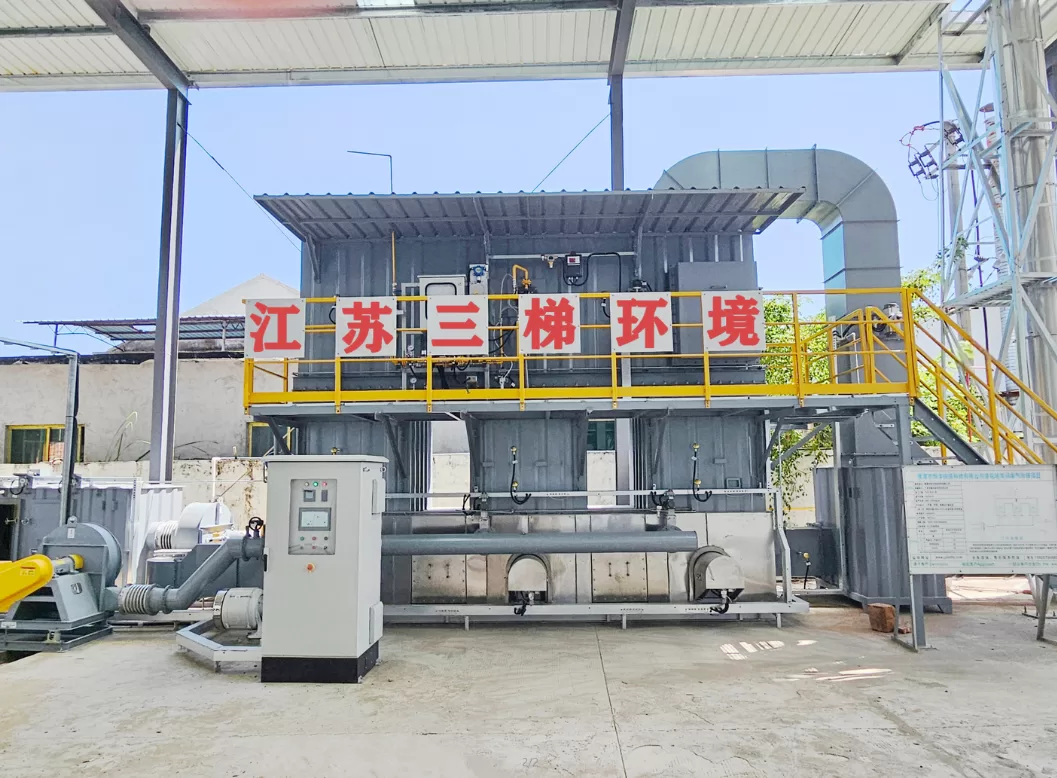
Three-Chamber RTO—Includes a purge function; achieves purification efficiencies exceeding 99% and offers more stable operation.

Products
Air pollution Control Oxi.X - Thermal processes
Sorpt.X - Sorptive processes
Catalytic processes
Others
Air Filters
Bag or Pocket filters
Hepa filters
Panel filters
Paint booth filters
Oxi.X - Thermal processes
Sorpt.X - Sorptive processes
Catalytic processes
Others
Air Filters
Bag or Pocket filters
Hepa filters
Panel filters
Paint booth filters
Contact Us
-

-

-

Group 18, Zhujiabang Village, Zhenze Town, Wujiang District, Suzhou City, Jiangsu, China



Contact Us
Inquire