





 English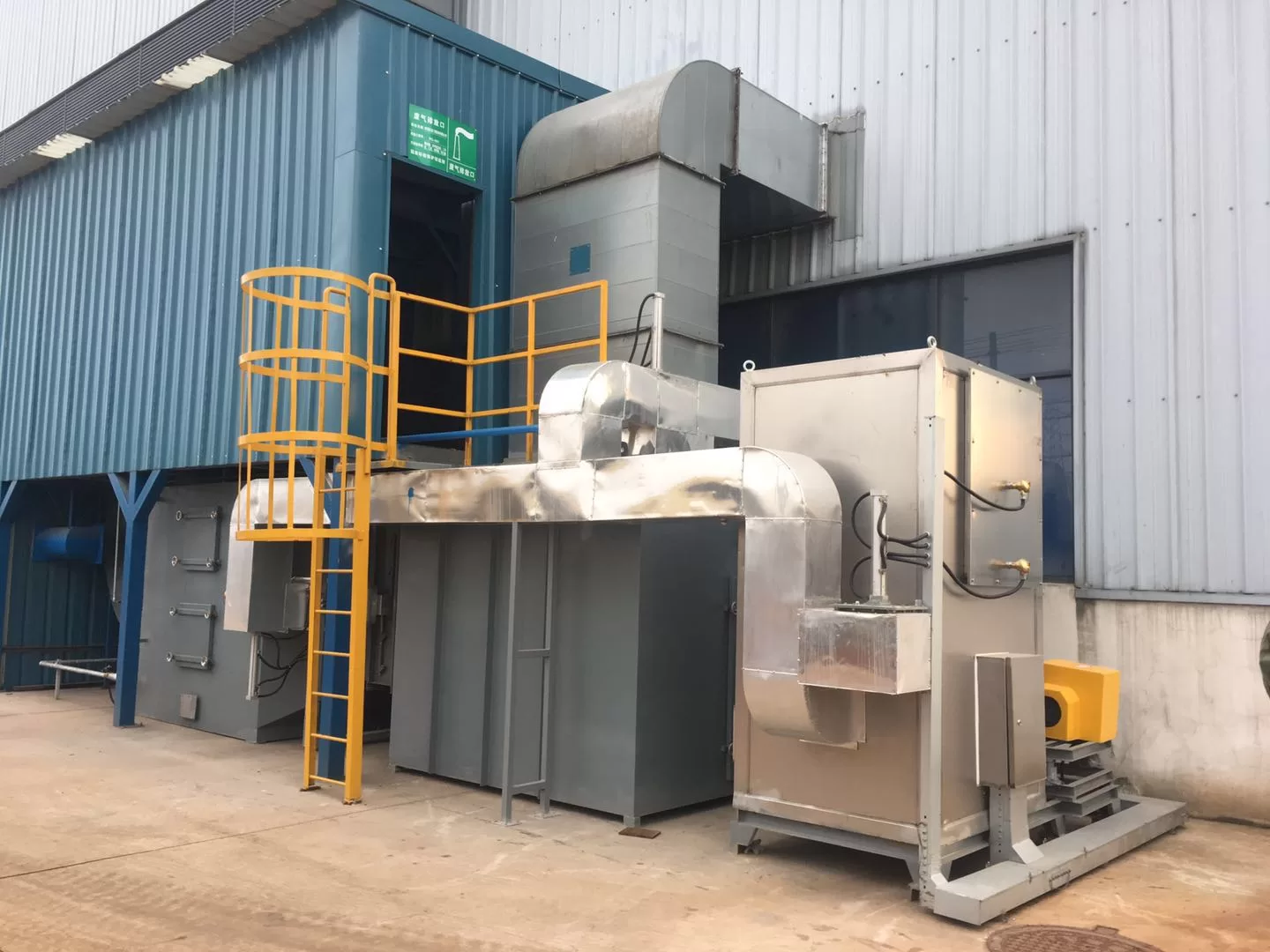
What is a Catalytic Combustion Unit (CO)?
 2026-08-27
 0">0
0">0
Share:
A catalytic combustion unit (abbreviated as CO) is an environmental purification device specifically designed to treat industrial organic waste gases (VOCs). In the field of industrial waste gas treatment, "CO" stands for "Catalytic Oxidation" rather than carbon monoxide gas.
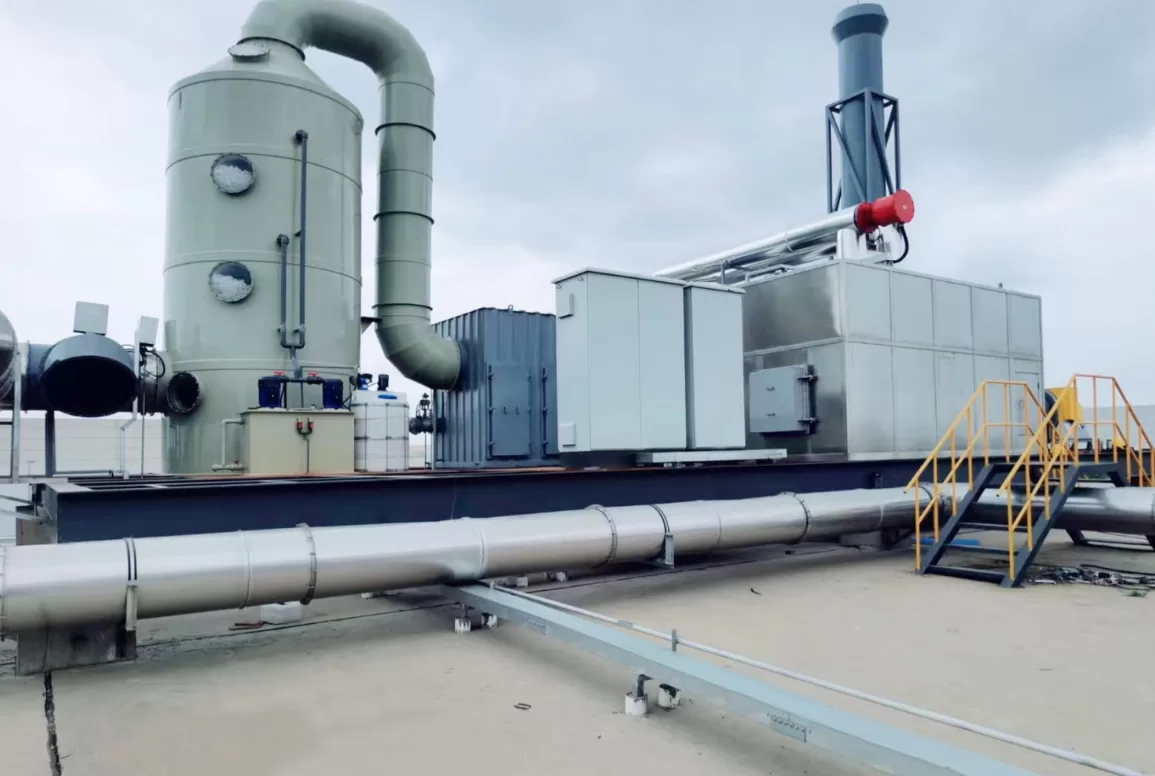
Its core operating principles and characteristics include:
Ⅰ Operating Principle:
Utilizing a catalyst, harmful gases—such as hydrocarbons—within the waste gas stream are rapidly oxidized and decomposed into harmless \(CO_{2}\) (carbon dioxide) and \(H_{2}O\) (water) at relatively low temperatures (typically just 250°C–400°C), while releasing significant thermal energy.
Ⅱ High Efficiency and Energy Saving:
Compared to traditional direct combustion methods, catalytic combustion significantly lowers the ignition temperature; this not only saves electricity or fuel but also reduces the formation of nitrogen oxides .
Ⅲ Core Components:
It primarily consists of a flame arrester, heat exchanger, preheating chamber, catalytic reaction bed, and fan. Application Scenarios: It is widely used for the purification of volatile organic waste gases (such as benzene compounds, alcohols, and ketones) generated in industries including spray painting, printing, coating, rubber, plastics, and electronics.

Products
Air pollution Control Oxi.X - Thermal processes
Sorpt.X - Sorptive processes
Catalytic processes
Others
Air Filters
Bag or Pocket filters
Hepa filters
Panel filters
Paint booth filters
Oxi.X - Thermal processes
Sorpt.X - Sorptive processes
Catalytic processes
Others
Air Filters
Bag or Pocket filters
Hepa filters
Panel filters
Paint booth filters
Contact Us
-

-

-

Group 18, Zhujiabang Village, Zhenze Town, Wujiang District, Suzhou City, Jiangsu, China



Contact Us
Inquire